
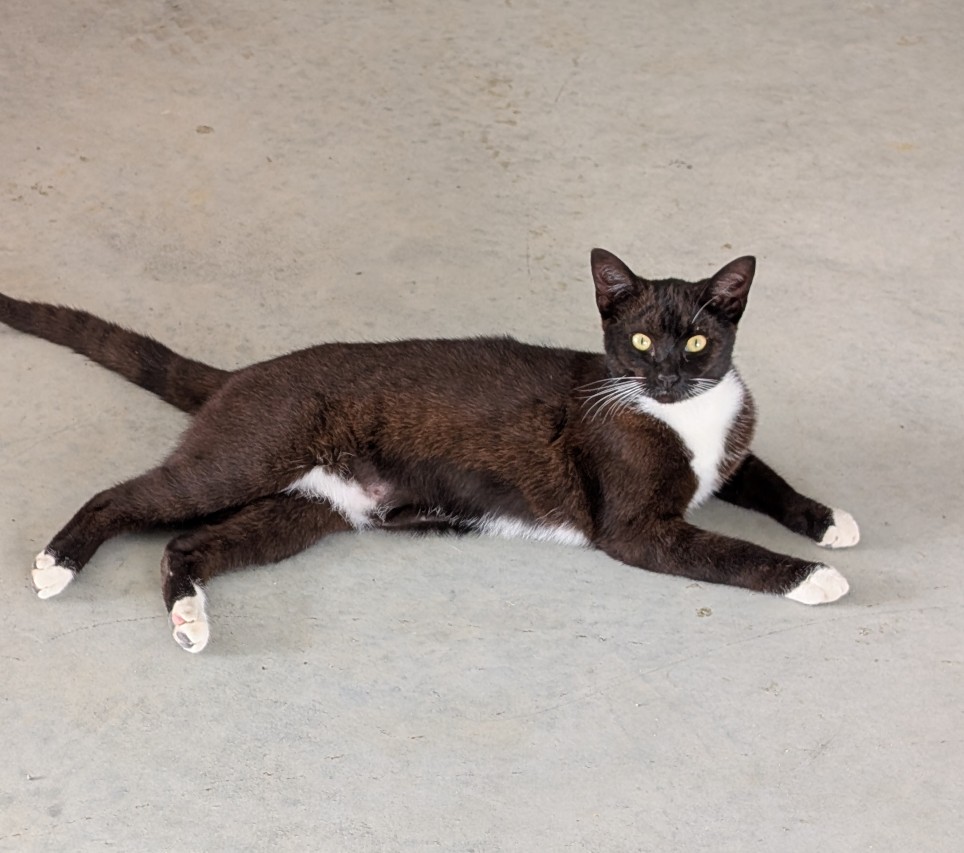
Research has shown something that cat owners everywhere probably suspected already: your cat might be a little bit of a freeloader.
Before all the cat people come after me, let me explain.
In the animal behavior world, there is a concept called contra freeloading. It describes an animal choosing to work for food even when the exact same food is available for free. Think puzzle toys, mazes, or games that make an animal use its brain and body to earn a reward.
Many animals enjoy the challenge. Cats? Well… they’re a little more complicated.
Your sweet little house cat may spend 18 hours a day sleeping in a sunbeam, but under all that fur is a tiny predator designed to stalk, chase, pounce, and hunt. In the wild, those instincts provide mental stimulation, exercise, and a sense of accomplishment.
Our pampered indoor kitties, however, often live a much different lifestyle. We lovingly walk over to the food bowl, fill it up, and they casually stroll over like, “Thank you, servant. I’ll have my salmon pâté now.”
Sound familiar?
The truth is, we have created an environment where food magically appears in a bowl and a tiny furry creature somehow still acts like it hasn’t eaten in weeks.
But don’t feel bad if your cat has been living the all-you-can-eat buffet lifestyle for years. Most of our cats have! The goal isn’t to completely change their world overnight. It’s to slowly introduce enrichment that taps into their natural instincts.
Make Mealtime a Game
Food puzzles and enrichment feeders are some of my favorite ways to make your cat’s brain work a little harder.
For kibble-fed cats, rolling toys and puzzle feeders allow your cat to bat, nudge, and manipulate the toy until pieces of food fall out. It turns an ordinary meal into a fun challenge.
For canned or raw-fed cats, lick mats are a wonderful option. Cats are very tactile animals, and the different textures encourage them to use their tongue in a way that mimics how they would naturally work food from their prey. As an added bonus, lick mats slow down those cats who inhale their meals in approximately 2.5 seconds and then immediately throw them back up on your favorite rug. (You know who you are.)
A Helpful Tool for Overweight Indoor Cats
Many indoor cats struggle with weight because, let’s be honest, their daily exercise routine often consists of walking from the couch to the food bowl and back again.
Food puzzles can be especially helpful for overweight cats because they encourage movement, provide mental stimulation, and slow down eating. It won’t replace a healthy diet and appropriate calorie intake, but it is a fantastic way to make mealtime more engaging.
The Hunting Game Your Cat Didn’t Know They Needed
One of my favorite enrichment tools at Leo & Lucky’s is the hunting feeder system by Doc & Phoebe. These little food-filled mice allow your cat to search, chase, bat, and manipulate their “prey” to earn a meal.
I also love puzzle toys from Messy Mutts and lick mats for canned, gently cooked, or raw diets because they transform a simple meal into a much more natural experience.
The best part about hunting feeders is that you can hide them around the house and create a true hunting adventure.
Just don’t go from a lifetime of buffet dining to a full-time job on day one. Start easy. Use one feeder, leave the opening wide, and let your cat discover that working for food can actually be fun.
As your cat learns the game, you can slowly increase the challenge.
Turning Your Freeloader Into a Hunter
At the end of the day, our cats aren’t bad or lazy—they are simply living the life we created for them. A very comfortable life, I might add.
By adding enrichment, puzzle feeders, lick mats, and hunting games, we can encourage natural behaviors, increase activity, stimulate their minds, and make mealtime more exciting.
So, the next time your cat gives you that look that says, “Excuse me, where is my dinner and why are you late?” remember: your tiny house tiger is perfectly capable of putting in a little effort.
Unless, of course, you prefer to continue being owned by your cat.
