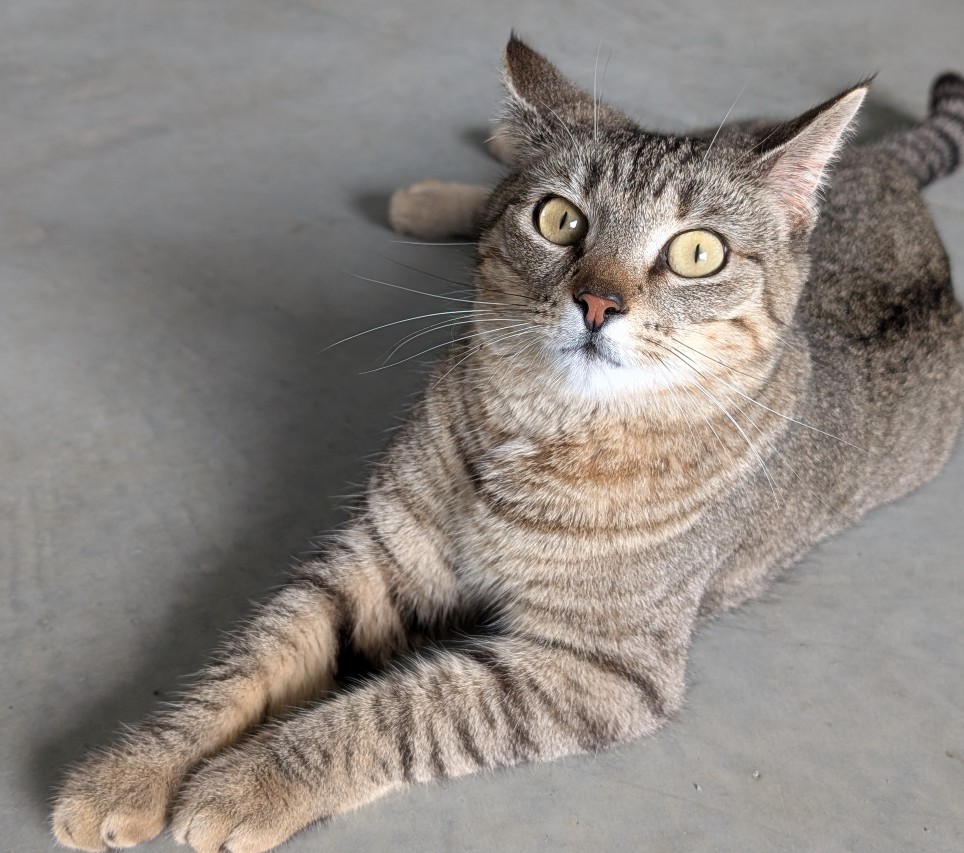
If you’ve ever watched your cat stalk a toy mouse, pounce on a bug, or give you that “you’re five minutes late with dinner and I may never forgive you” look, you’ve seen their wild instincts at work. Despite sharing our couches and stealing our warm spots on the bed, our cats are still built like tiny predators.
I get a daily reminder of this from my own outside cats. They love to bring us little “presents” from their adventures—squirrels, bunnies, mice, and the occasional rat—as a not-so-subtle reminder that underneath that fluffy exterior is a highly skilled hunter. It may not be the gift we were hoping for and sometimes the cleanup tells a much bigger story, but it is a perfect example of what nature designed cats to do.
Unlike dogs, cats are obligate carnivores. In simple terms, that means they have a biological requirement for nutrients that are found primarily in animal tissue. Meat isn’t just something cats enjoy—it’s something their bodies were designed to need.
All members of the feline family, from your living room tiger to lions in the wild, are obligate carnivores. Their bodies are specially adapted to thrive on a diet rich in animal protein and fat. While cats can digest small amounts of plant material, they have very limited nutritional requirements for carbohydrates and rely heavily on animal-based nutrients to stay healthy.
The Power of Protein
Animal proteins provide a complete amino acid profile, meaning they contain all of the essential amino acids cats need. One of the most important is taurine, an amino acid cats cannot make in sufficient amounts on their own. Without enough taurine, cats can develop serious health concerns involving the heart, eyes, and overall health.
A cat’s digestive system also reflects their carnivorous nature. Their gastrointestinal tract is relatively short because a meat-based diet is highly digestible and does not require the extensive fermentation needed to process large amounts of plant matter.
What's in Your Cat's Bowl?
The biggest takeaway is to look at your cat’s food and ask: “Where’s the meat?” Choose foods with clearly identified animal proteins such as chicken, turkey, rabbit, duck, or fish listed prominently on the ingredient panel.
Consider adding fresh, species-appropriate options like commercially prepared raw diets, freeze-dried raw foods (always rehydrated), or air-dried meat treats. And remember—just like every area of pet nutrition, it’s about progress over perfection. You don’t have to change everything overnight. Even small additions of fresh animal protein can be a wonderful step toward supporting your cat’s natural needs.